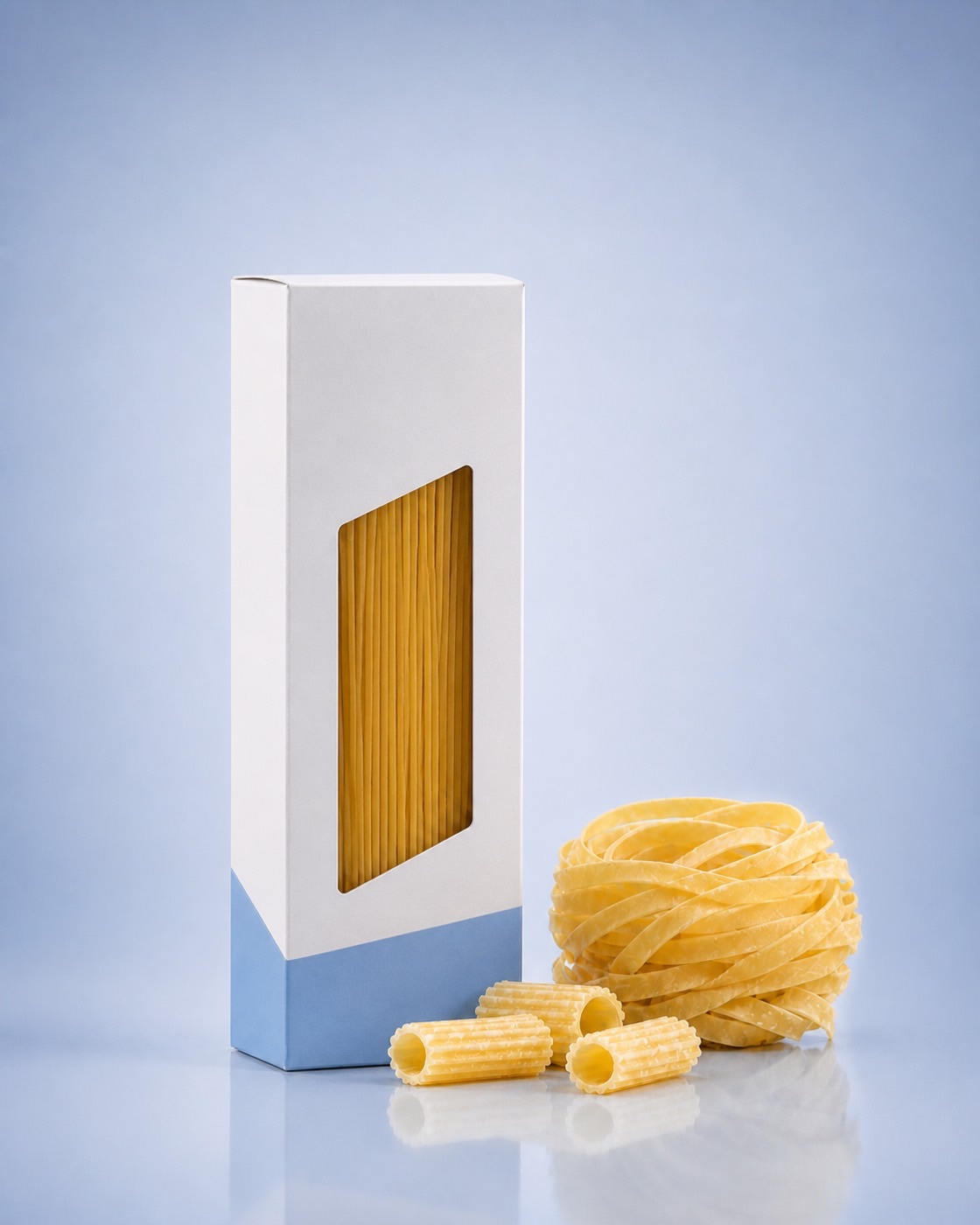
Unprotected recipes
Parameters and user levels reduce errors and differences between shifts.
Food & beverage
Recipes, batches and production data always available — without slowing down the people who produce.
What we solve
Recipes, batches, rejects and data must stay available when needed, without slowing down the line.
Parameters and user levels reduce errors and differences between shifts.
Batches, times and line states reconstructable in an orderly way.
HMI diagnostics and clear alarms help understand the cause.
Output, scrap and downtime only useful if consistent and in context.
Related services
From the electrical schematic to the software, from the panel to start-up: every service has a clear scope and stays coordinated with the others.

Schematics, BOMs, panel architectures and documentation ready for build and maintenance.

Machine logic, operator interfaces, supervision, diagnostics and production data collection.

Tidy wiring, traceable components and electrical tests before delivery.

Signal tests, functional checks, commissioning and operational support in the field.
From field to data
Recipes, batches, machine states and quality indicators made readable in one system.
Critical signals, machine conditions, field networks and operating constraints.
Electrical schematic, I/O and drives organised for testing and maintenance.
Sequences, recipes, alarms, trends and operator pages on the process.
Functional tests, checks with the customer and field support.
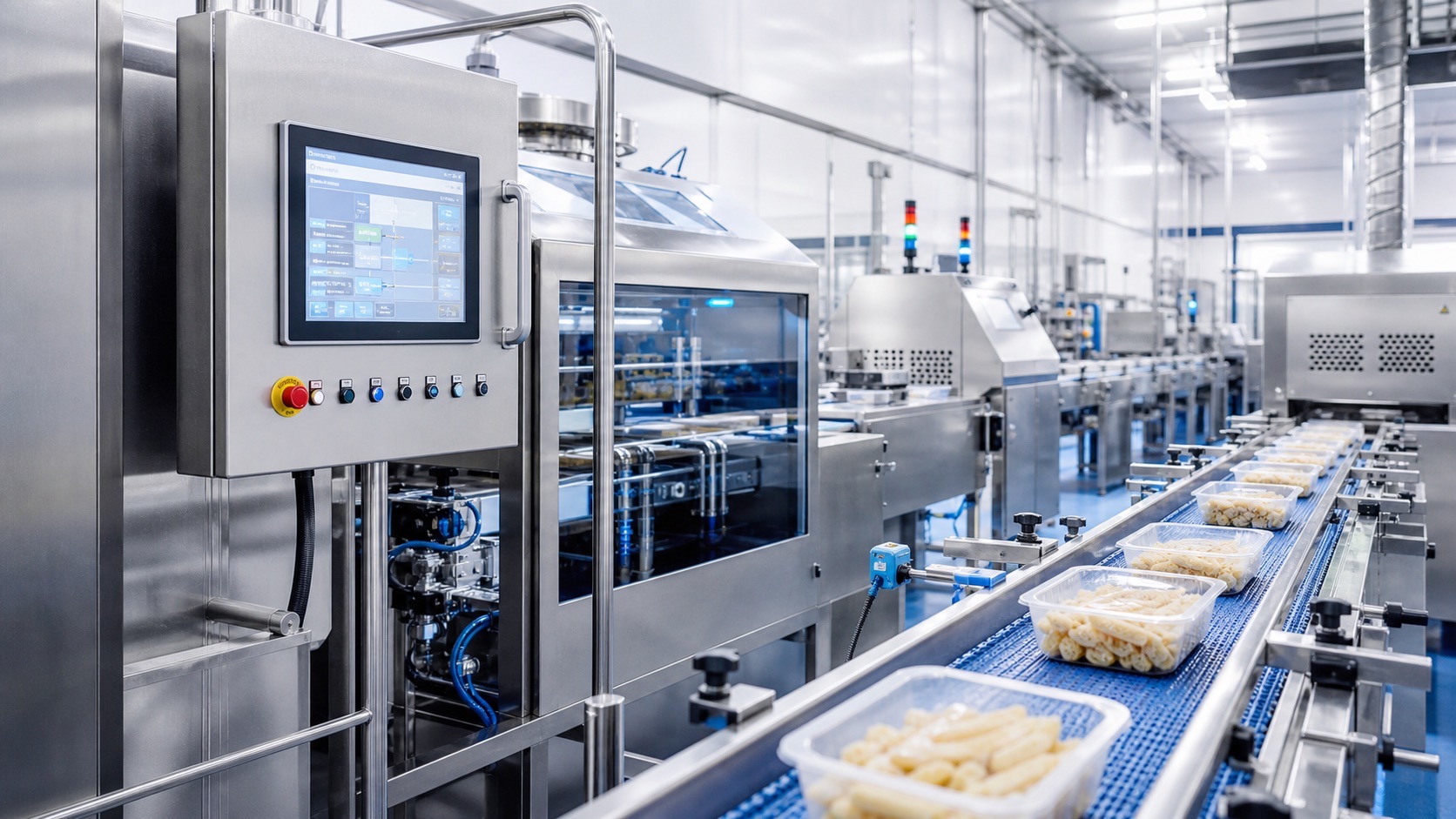
The line has to be easy to operate and solid to verify: production, quality and maintenance at the same time.
Typical applications
The areas where we bring electrical, software, testing and operational support.
Sequences, parameters, temperatures, times and process conditions.
Format management, checks, rejects and machine enables.
Protected parameters, change history and data linked to the batch.
Data collection on output, stops, quality and scrap.
Integration of result signals, vision, rejects and reports.
HMI/SCADA for operators, maintenance and production managers.
D&D method
A technical reading of constraints, signals, downtime and real goals — not a generic solution.
Documentation, plant status, recurring problems and the expected result.
Panel, PLC, HMI and supervision designed as one system.
Critical functions are tested to reduce the risk at start-up.
Making the solution usable by operators and maintenance.
Related experience
How we translate the sector into panel, software and testing.
A new real plant from this sector will be online soon, with context and results.
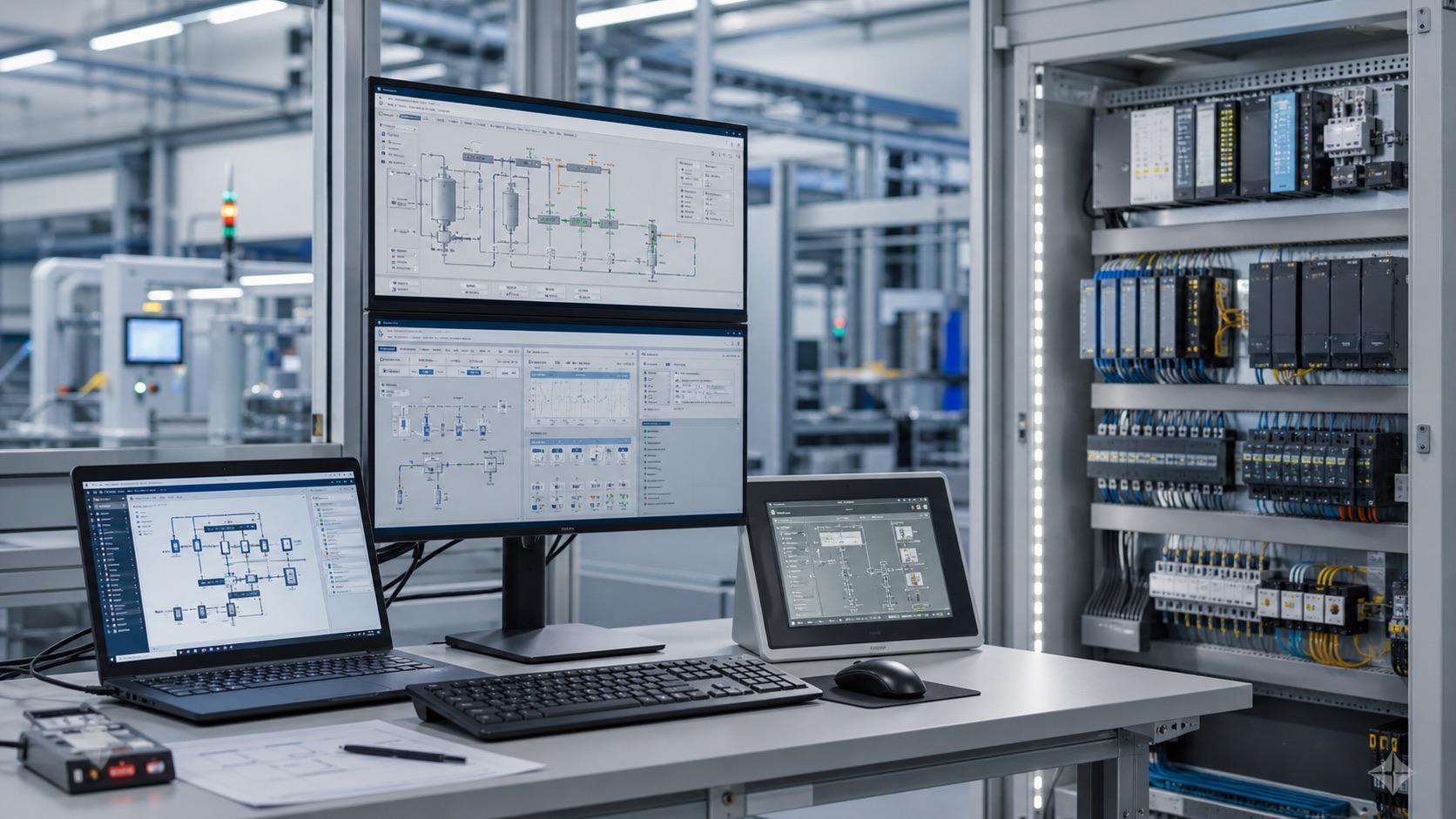
Architecture, diagnostics, recipes and supervision data for industrial software.
Operational questions
Yes. We design recipes, protected parameters and access levels based on production, quality and maintenance.
No. It should be sized to the real need: batch, critical parameters, events, rejects, alarms and reports must be useful, not just accumulated.
Yes. First we analyse PLC/HMI, signals, downtime constraints and the goal; then we define what to develop before the downtime and what to test in the field.
Line type, product, recipes, data to track, downtime/scrap issues, installed PLC/HMI and the goal: quality, KPIs, revamping or new automation.
Technical contact
The sector, line, goal and main constraints are enough: your request reaches the D&D technical team already in context.