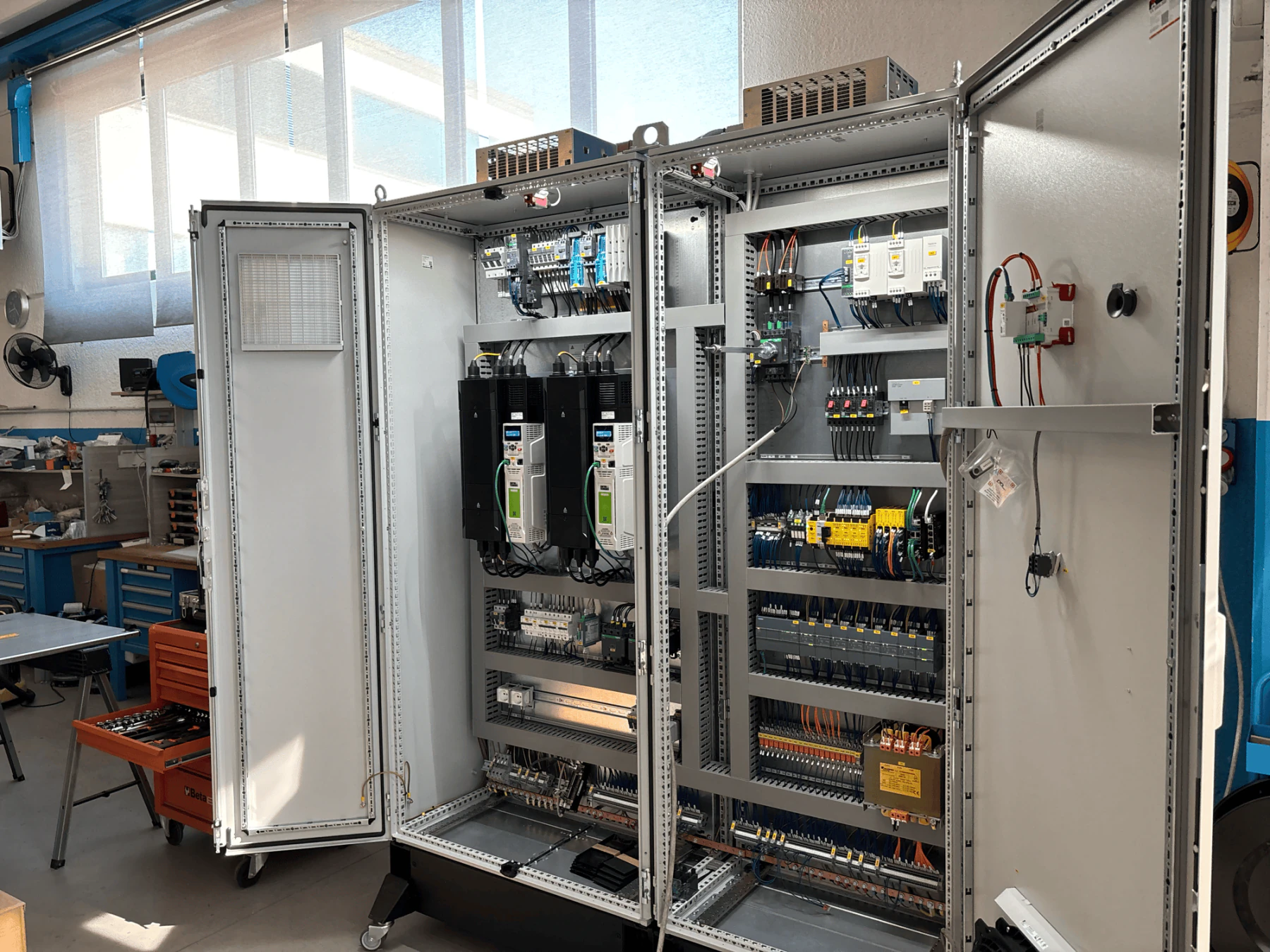
Downtime that is hard to diagnose
Unclear alarms, dated HMIs and undocumented logic slow down maintenance and production.
Industrial automation revamping
We work on PLCs, HMIs, control panels, networks and critical devices when a line still runs, but obsolescence, hard-to-find spares or recurring downtime start to weigh on production.
Where value is lost
A line can keep producing even with dated automation. The problem appears when diagnosis, spare parts, documentation and restart times are no longer under control.
Unclear alarms, dated HMIs and undocumented logic slow down maintenance and production.
Out-of-support components increase the risk of long downtime and unplanned replacements.
Wiring, tags and schematics that don't match make every intervention slower and more uncertain.
You don't always have to redo everything
Revamping is not a blind replacement. It starts from surveys, backups, component status, production constraints and downtime priorities to decide which parts to keep, upgrade or rebuild.
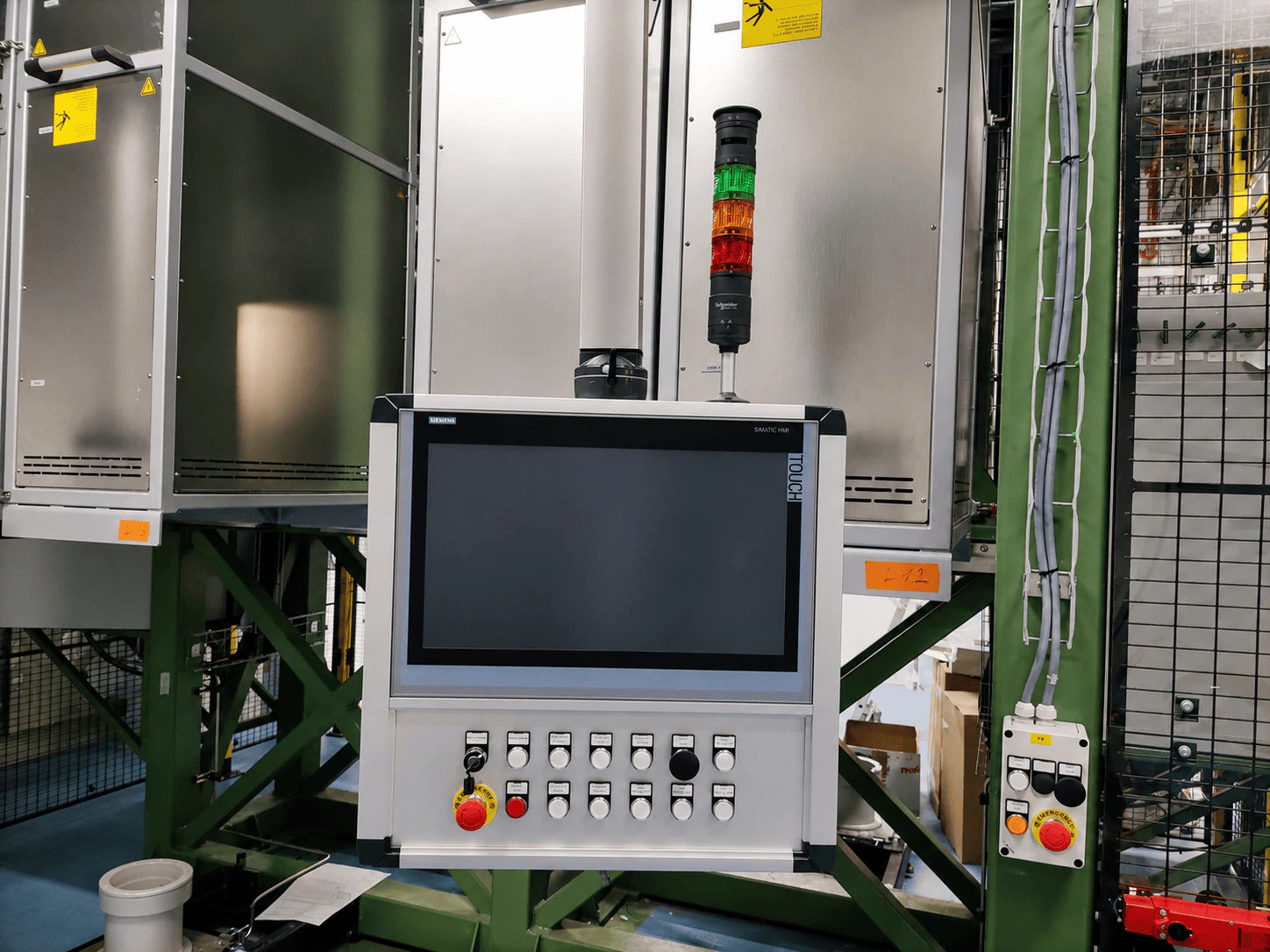
What we analyse before the downtime
The first value of revamping is reducing surprises. That is why we gather technical data, the real state of the plant and production constraints before defining the intervention plan.
PLC, HMI, drive parameters, recipes, available programs and the state of existing backups.
Photos, schematics, terminal blocks, tags, wiring, supplies and critical components.
Out-of-support components, available alternatives and parts to protect in the downtime plan.
Stop causes, machine states, HMI diagnostics and points where the operator loses visibility.
Downtime windows, restart priorities, shifts, available materials and acceptable risks.
I/O checks, functional tests, FAT/SAT, open-points list and criteria to declare the line stable.
What we can replace or keep
Every revamping changes depending on the line, but the decision must stay readable: what stays, what changes, what gets tested.
Before / After
A good revamping leaves a line that is more readable, documented and manageable, with less dependence on hard-to-find components or unwritten knowledge.
Before / after revamping
We start from the real state of the line, identify the critical points and upgrade only what is needed: hardware, panel, network, PLC/HMI logic and restart conditions.
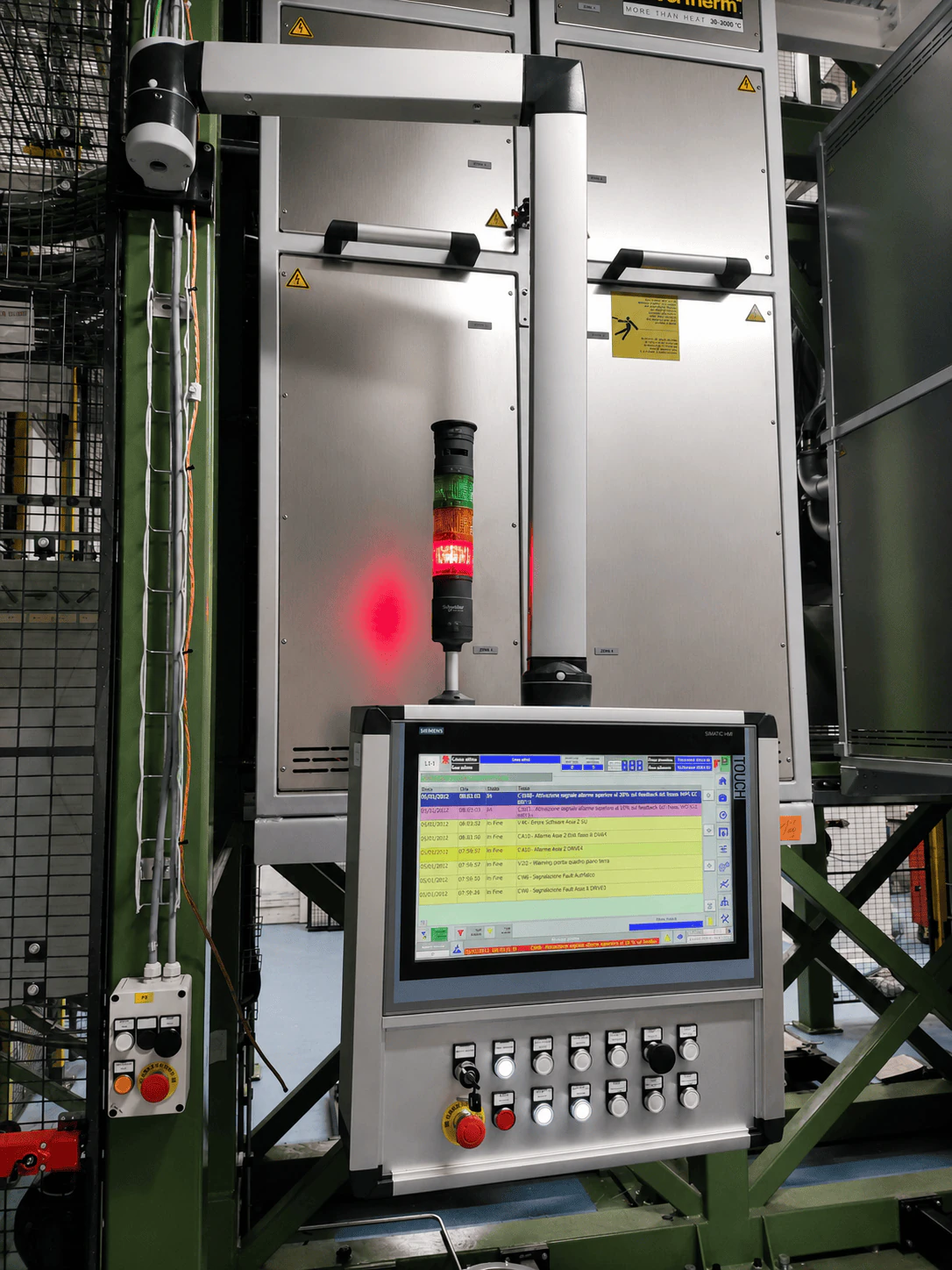

The result isn't just an upgraded plant. It's a line that becomes readable, manageable and ready to work again.
Concrete outputs
The delivery shouldn't leave just a plant switched on. It has to leave information, backups, tests and criteria that are useful for managing the line after the intervention.
Technical scope, priorities, critical components, downtime constraints and intervention sequence.
Programs, parameters, panel photos, I/O, technical notes and plant state before the intervention.
Replacements, upgrades, terminal blocks, labelling and electrical documentation where planned.
Logic migration, operator interfaces, alarms, recipes and more readable diagnostics.
I/O checks, functional tests, FAT/SAT, training and a shared open-points list.
First step
Tell us the symptoms, the installed PLC, the panel state, spare-part availability and downtime constraints. From this information we can tell whether you need a targeted intervention, a migration or a broader plan.